The concept of wellness in home design has surpassed aesthetic appeal and functionality, entering a space where the occupants physical, mental, and emotional well-being take centre stage. This important evolution in design is known as ‘wellness architecture’ and not only reflects our own holistic needs within the home or place of work, but also the impact of the built environment on our lives.
Working from and entertaining in the home is now the ‘new norm,’ so creating balance and harmony whilst retaining functionality is especially important.
Sustainability, health, and comfort are all principles of ‘wellness architecture,’ this includes elements such as natural light, air quality, biophilic design, and the use of natural materials – non-toxic materials! The goal is to ensure living spaces not only meet practical needs, but also improve physical health, reduce stress, and increase mental clarity. The challenge comes when one space serves a multitude of purposes – that need to cancel out the stress we experience during ‘work hours’ and replace that with the comfort of our ‘nest,’ creating a space where there is balance of purpose and environment.
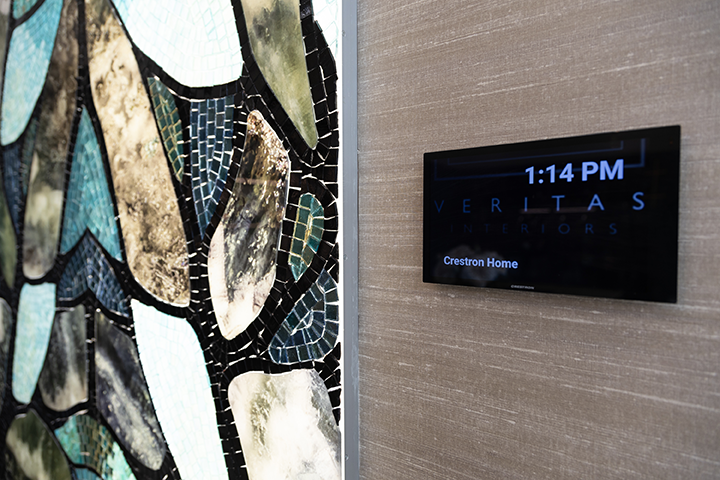
It might sound conflicting, but technology plays an essential part in wellness architecture. Smart home technology that controls everything from temperature to lighting, sound to security and even the toilet! Lighting systems can be programmed to adjust to your daily schedule – work mode and relaxing mode, without prompt. Air purification systems that deliver outdoor quality air for those at the desk all day, or for those who suffer with breathing issues.
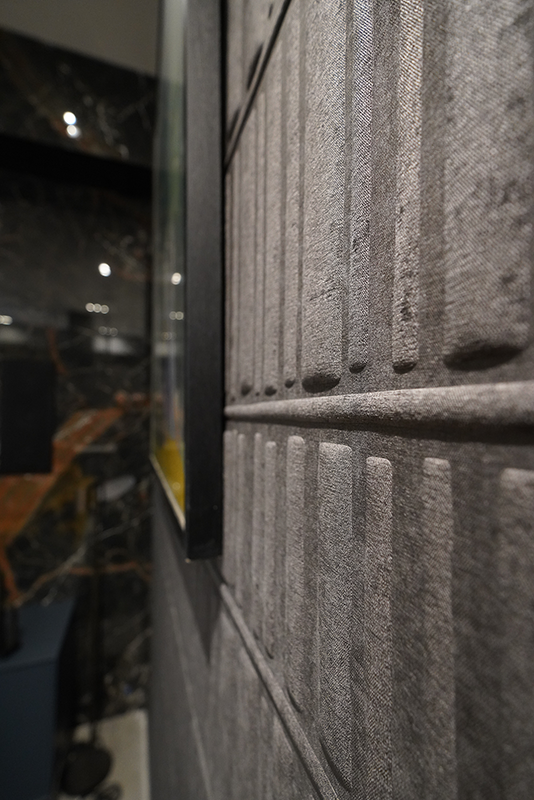
Whether you’re lucky enough to have one room as a dedicated office, or a room that has dual purpose, with thought and the right products and design the office can be embedded discreetly into daily life. For example, Acoustic Wallpaper minimises the impact of noise which is so important for mental health and professional zooms, whilst bespoke cabinetry that is both stylish and practical hides gadgets and anything that reminds us of work when the day is done.
Natural light is so important, exposure to it is vital for regulating sleep patterns, energy levels and mood. Large windows, skylights, and circadian lighting – systems that mimic natural light, all contribute to wellness. Similarly, water filtration systems to include taps that purify water and serve it up hot, cold or with bubbles offer wellness and are great for cooking and entertaining.
You may start to hear the term ‘Biophilic design’ which connects occupants with nature through elements like indoor plants, outdoor views and natural textures, and there is substance behind it! Studies show it reduces stress, boosts creativity, and develops well-being. Work surfaces that mix wood with natural stone elements such as granite and marble achieve this but are also super stylish and impactful.
The concept of wellness in home design has surpassed aesthetic appeal and functionality, entering a space where the occupants physical, mental, and emotional well-being take centre stage. This important evolution in design is known as ‘wellness architecture’ and not only reflects our own holistic needs within the home or place of work, but also the impact of the built environment on our lives.
Working from and entertaining in the home is now the ‘new norm,’ so creating balance and harmony whilst retaining functionality is especially important.
Sustainability, health, and comfort are all principles of ‘wellness architecture,’ this includes elements such as natural light, air quality, biophilic design, and the use of natural materials – non-toxic materials! The goal is to ensure living spaces not only meet practical needs, but also improve physical health, reduce stress, and increase mental clarity. The challenge comes when one space serves a multitude of purposes – that need to cancel out the stress we experience during ‘work hours’ and replace that with the comfort of our ‘nest,’ creating a space where there is balance of purpose and environment.